What are the bones of the knee?
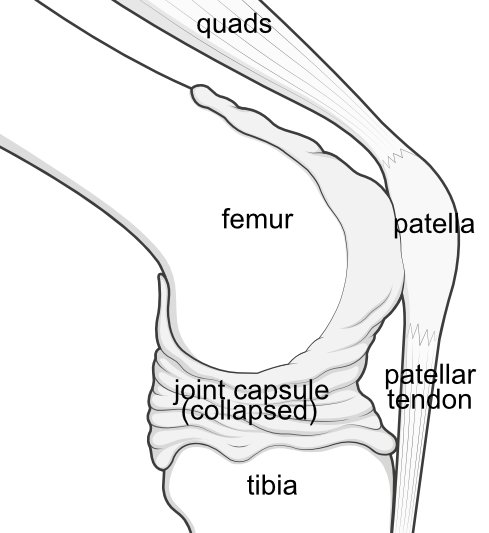
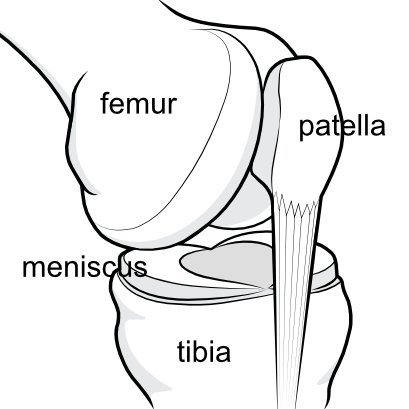
The three main bones of the knee are the femur (the thighbone), the tibia (the shinbone) and the patella (the kneecap).
The femur and tibia are the weight-bearing bones. The patella is different, and is actually embedded within the tendon of the large muscle that does much of the work of the knee.
Sometimes there is a small bone at the back of the joint, which mirrors the patella, but is tiny. It is called the fabella.
On the outer side of the knee, but outside of the capsule, is the fibula bone.
What does the knee capsule do?
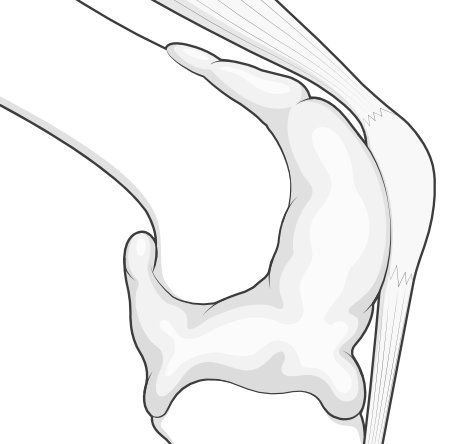
Damage to the joint structures may lead to an excess of this synovial fluid, and the knee can blow up like a balloon (called an effusion). Sometimes an injury can lead to bleeding inside the capsule, again causing the knee to swell as the fluid cannot easily escape. This is called an haemarthrosis.
The big bones are linked and stabilised by the cruciate ligaments and menisci
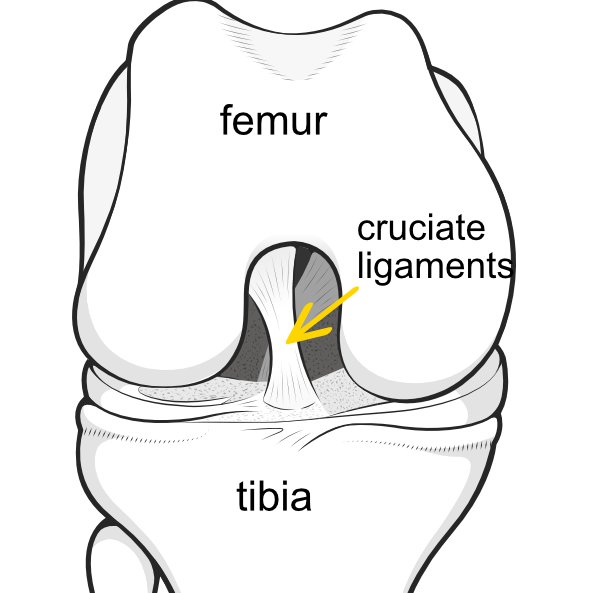
The contact surfaces between femur and tibia are fundamentally unstable, because at its end the femur is rounded into two knuckles (condyles), while the top of tibia that they sit on is flat (tibial plateau).
So the incongruence between the shapes is resolved to some extent by crescent-shaped shock-absorbers wedged between them (menisci), while further stability is provided by ligaments holding the bones together (cruciate ligaments).
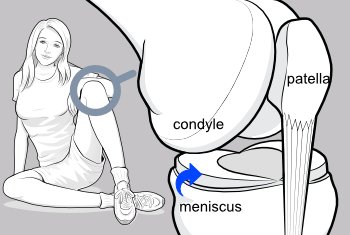
You can see the two crescentic menisci. The meniscus on the inner aspect of the knee is called the medial meniscus and the one on the outer aspect of the knee is called the lateral meniscus.
Further stability is provided on either side of the joint by the collateral ligaments (not illustrated).
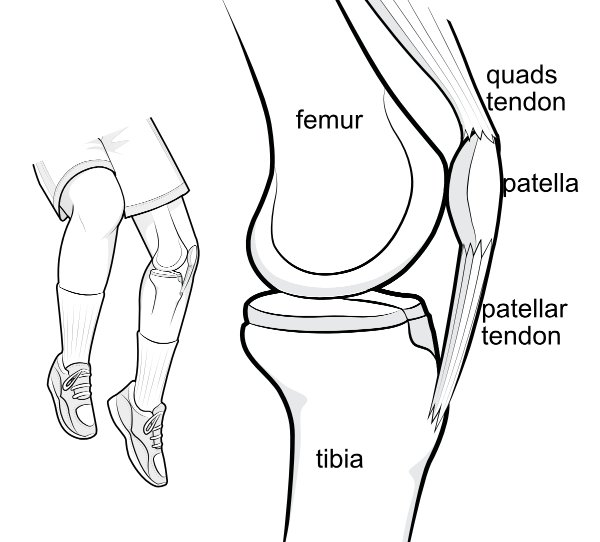
The patella functions as a fulcrum
The patella exists within the tendon of the large muscle that makes up your 'lap' (quadriceps) and the tendon continues to attach on the tibia.
The part of the tendon above the patella is called the quadriceps tendon and the part below is called the patellar tendon, but it is really all one big tendon with the bone right inside it.
The patella is kept in its central position by the walls of the groove in the femur (trochlear groove). Besides being contained by the groove in the femur, the patella is further stabilised by a sheet of fibrous tissue on either side, including a strong band called the lateral retinaculum
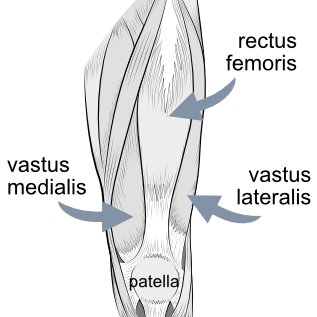
The muscles provide power
The quadriceps muscle group provides most of the power when straightening the knee (extension), while the hamstrings muscle group provides most of the power when bending the knee (flexion).
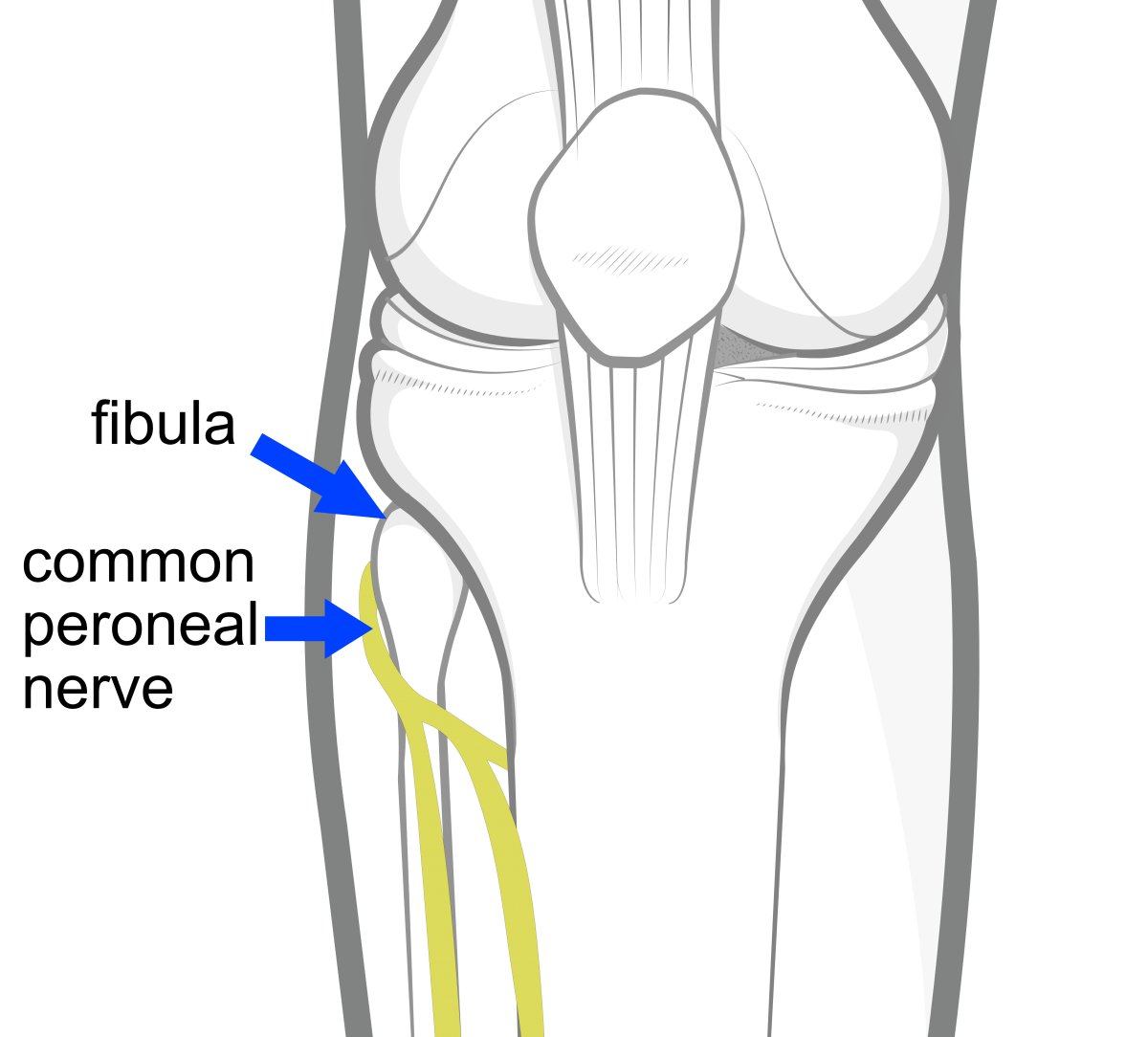
The nerves relay information to the knee
Sensory nerves supply sensation to the knee, while motor nerves instruct the muscles to move.